
The standard methods are the straight-line method, the declining method, and the double-declining method. If you need expert assistance managing accumulated depreciation and other accounting needs, contact White Label Accounting today. Let us help you streamline asset management and ensure accurate financial reporting. Accumulated depreciation refers to the cumulative depreciation expense recorded for an asset on a company’s balance sheet. It is determined by adding up the depreciation expense amounts for each year.
Double Declining Balance Depreciation

In between the opening and closing balances, the current period net income/loss is added and any dividends are deducted. This helps complete the process of linking the 3 financial statements in Excel. Retained Earnings are reported on the balance sheet under the shareholder’s equity section at the end of each accounting period. To calculate RE, the beginning RE balance is added to the net income or reduced by a net loss and then dividend payouts are subtracted. A summary report called a statement of retained earnings is also maintained, outlining the changes in RE for a specific period.
Modified accelerated cost recovery system (MACRS) depreciation

Accumulated depreciation is the sum of the depreciation recorded on an asset since purchase. Accumulated depreciation is an accounting formula that you can use to calculate the losses on asset value. By understanding the best ways to report the depreciation of business assets, you’ll improve the transparency of your business finances and the utility and predictive power of the data. Your business can make better decisions when you understand the financial status of assets.
How is accumulated depreciation different from depreciation expense?
- You might consider the Accounting for Decision Making course offered on Coursera by the University of Michigan.
- In this method, you depreciate an asset at an equal amount over each year across its useful life.
- Some companies don’t list accumulated depreciation separately on the balance sheet.
- Asset accounts such as Cash, Accounts Receivable, and Inventories are all permanent accounts.
- Accumulated depreciation is a credit-balanced contra asset account that works to offset the historical cost of your fixed assets, revealing their true net book value.
- A fixed asset may be transferred between subsidiaries, business segments, locations, or departments of an entity.
To understand its importance, it’s essential to know how to record changes in accounts and prepare financial statements. For example, if a company purchased additional fixed assets in the amount of $120,000, the total Fixed Assets balance would increase to $720,000. Accumulated Depreciation is a balance sheet contra asset account that is not closed at the end of each accounting period, making it a permanent account.

How to Calculate Depreciation
For instance, if a company reports equipment with a $150,000 cost and $60,000 in Accumulated Depreciation, the reported NBV is $90,000. This $90,000 figure is the basis for future depreciation entries until the asset reaches its calculated salvage value. The practical application of Accumulated Depreciation is to determine an asset’s Net Book Value (NBV). Accumulated Depreciation, conversely, is a permanent Balance Sheet account that does not reset at the close of the fiscal year. This account holds the cumulative total https://swastiksteelsscaffolding.com/expenses-vs-liabilities-what-s-the-difference/ of all depreciation recognized over the asset’s lifetime. Regardless of the method used, the mechanical journal entry remains the same.
Fixed asset roll forward example
Normally, these funds are used for working capital and fixed asset purchases (capital expenditures) or allotted for paying off debt obligations. As fixed assets are a significant investment for many entities and an organization typically has several fixed assets, using fixed asset software is common. If an organization utilizes an ERP, it may use the fixed asset module available from the ERP instead of third-party fixed asset software. Transfers may occur during the lifecycle of a fixed asset for various reasons. An asset may be transferred from a construction-in-progress account to a completed fixed asset account when fully constructed. A fixed asset may be transferred between subsidiaries, business segments, locations, or departments of an entity.
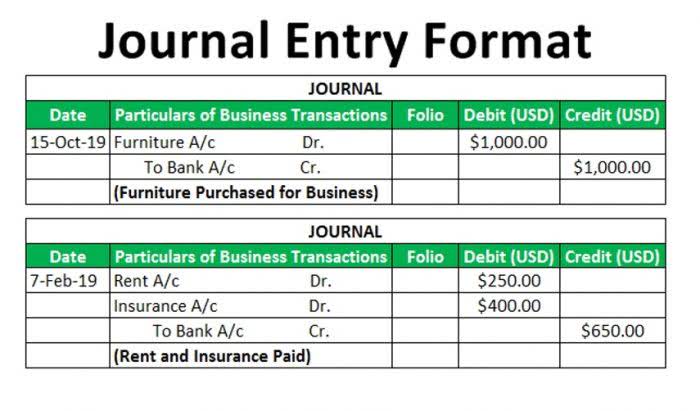
- It is recorded with a debit to the depreciation expense account and a credit to the accumulated depreciation contra asset account.
- We credit the accumulated depreciation account because, as time passes, the company records the depreciation expense that is accumulated in the contra-asset account.
- Accumulated depreciation is a contra-asset account that reduces the net book value of an asset.
- Accumulated depreciation should be shown just below the company’s fixed assets.
For accumulated depreciation is what type of account instance, a publishing company records accumulated depreciation for its printing equipment and amortization for its copyrights. Therefore, accumulated depreciation is the annual depreciation × the years the asset has been in service. After three years, the accumulated depreciation would be $15,000 (3 years × $5,000). Therefore, the net book value of the machine on the balance sheet would be $35,000 ($50,000 original cost – $15,000 accumulated depreciation). Without depreciation, a company would have to bear the entire cost of an asset in the year of purchase, which could have a negative impact on profitability.
- For example, if a company purchases a machine for $10,000 and has accumulated depreciation of $3,000, the carrying value of the machine on the balance sheet would be $7,000 ($10,000 – $3,000).
- Asset accounts have a natural debit balance, so accumulated depreciation has a natural credit balance.
- Revenue accounts are used to track income from sales and services, while expense accounts monitor the outflows of resources, such as rent and salaries.
- The schedule uses a corkscrew-type calculation, where the current period opening balance is equal to the prior period closing balance.
- CGAA will not be liable for any losses and/or damages incurred with the use of the information provided.
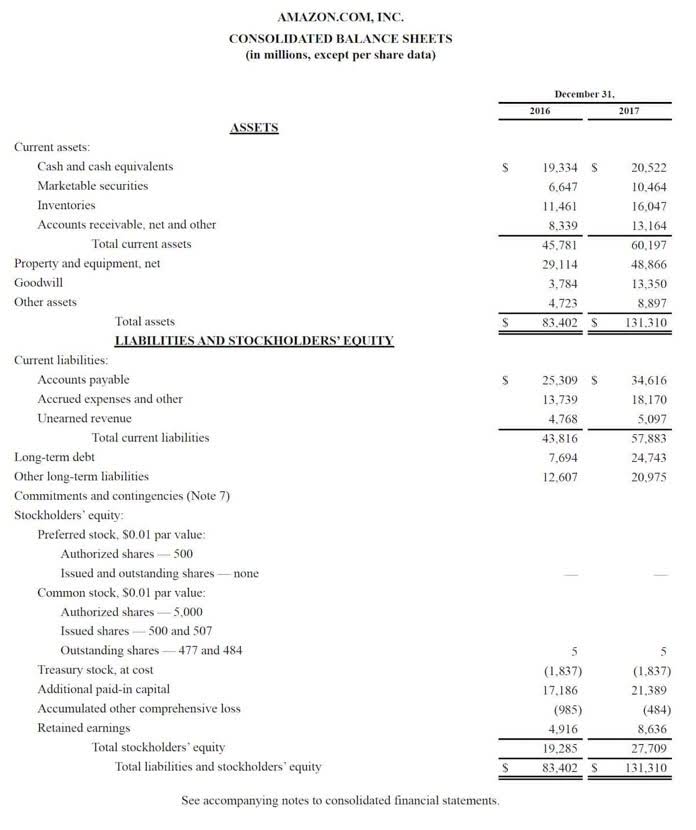
- For reporting purposes, this account is displayed directly below the property, plant, and equipment (PP&E) line item on the Balance Sheet.
This ratio could also be helpful internally for budgeting and investment strategy. Every time you record this entry, the accumulated depreciation balance grows, reducing the asset’s value on your books. This balance keeps increasing but can never exceed the original cost of the asset. The Income Statement, also known as the Profit and Loss Statement, shows your company’s revenues and expenses over a specific https://www.bookstime.com/ period of time, helping you calculate your net income and tax liability.